
Have you ever typed a word and second-guessed yourself halfway through? That is exactly what happens with pent vs pants. At a glance, these two words look almost identical. One small letter separates them, yet their meanings could not be further apart. One describes a garment you wear every day, while the other captures an emotion tightly held inside.
Understanding pent vs pants is not just a grammar exercise. It is a practical skill that improves your writing quality, prevents miscommunication, and makes your content sound polished and professional. Whether you are a student, a blogger, or someone who communicates in English daily, knowing the distinction between these two words will serve you well.
In this complete guide, you will find clear definitions, real sentence examples, common mistakes to avoid, regional differences, and even practice exercises. By the end of this article, you will never confuse pent vs pants again.
Define Pent
Before diving into the full pent vs pants debate, it is important to understand each word on its own terms.
Pent is an adjective, and in some historical uses, a verb form. It comes from the past participle of the old verb “pen,” which meant to enclose or confine. According to Merriam-Webster, pent means “shut up, confined, or repressed.” It is almost always paired with the word “up,” forming the widely recognized compound adjective pent-up.
The Oxford English Dictionary traces the earliest known use of pent as an adjective back to the mid-1500s. Over time, its standalone use became less common, but the compound form “pent-up” remains widely used in modern English, especially in emotional and descriptive contexts.
Here is what pent communicates in modern writing:
- A feeling or emotion that has been held back for a long time
- Energy or pressure that has built up and cannot yet be released
- A physical space that is tightly enclosed or confined
Word origin: Pent derives from late Middle English, traced to the past participle of the obsolete verb “pend,” which was itself a variant of “pen,” meaning to enclose. The sense of “narrowly confined” dates to the late 14th century.
Part of speech: Adjective (and historically, an irregular past participle of the verb “pen”)
Common forms: pent-up (compound adjective), pent in (adjectival phrase)
Synonyms: confined, restrained, suppressed, repressed, held back, bottled up, cooped up, enclosed
Antonyms: released, free, expressed, open, liberated
Key point in pent vs pants: Pent has nothing to do with clothing. It describes confinement or suppression, usually of emotions or energy.
Define Pants
Now let us look at the second half of the pent vs pants comparison.
Pants is a plural noun that refers to a garment worn on the lower half of the body, with separate sections covering each leg. In American English, pants is the standard, everyday word for this type of clothing. You wear pants to work, to school, and out in public.
The word “pants” is a shortened form of “pantaloons,” a style of tight-fitting leg covering that was fashionable in the 1800s. Over time, the word shortened and broadened to cover all leg-covering outerwear.
Part of speech: Plural noun (almost always used in plural form)
Common types of pants include:
- Jeans
- Chinos
- Dress pants
- Slacks
- Cargo pants
- Sweatpants
- Leggings
Synonyms: trousers, slacks, bottoms, leg wear, chinos (depending on context)
American English vs British English: A Key Distinction
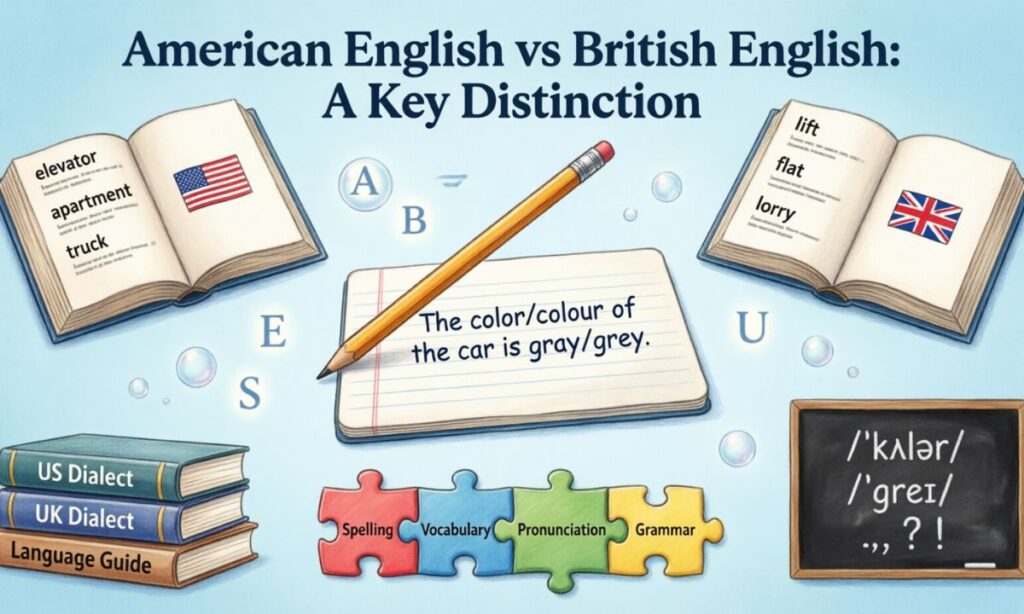
One of the most important facts in any pent vs pants discussion is that the word “pants” means different things depending on which variety of English you speak.
| Region | Meaning of “Pants” | Word For Outer Leg Garment |
| American English | Outer leg garment (trousers) | Pants |
| British English | Underwear / undergarments | Trousers |
| Australian English | Can mean either, context dependent | Trousers (formal), pants (casual) |
| Canadian English | Outer leg garment (similar to American) | Pants |
Read This: Implicit vs Complicit: Clear Differences Explained With Practical Examples
This regional distinction matters enormously. Saying “I spilled something on my pants” means something very different to an American than it does to a British person. Keep your audience in mind whenever you write about clothing.
Quick Comparison: Pent vs Pants at a Glance
| Feature | Pent | Pants |
| Part of Speech | Adjective / past participle | Plural noun |
| Core Meaning | Confined, suppressed, held back | Leg-covering garment |
| Common Form | Pent-up | Pants (alone) |
| Used in clothing context? | No | Yes |
| Used in emotional context? | Yes | No |
| Formal or informal? | Formal / literary | Both formal and informal |
| Regional variation? | Minimal | Significant (US vs UK) |
| Origin | Late Middle English (pen = to confine) | Shortened from “pantaloons” |
This table makes it very clear: in the debate of pent vs pants, the two words belong to completely different categories of language. One lives in the wardrobe, the other in the realm of emotions.
How To Properly Use The Words In A Sentence?
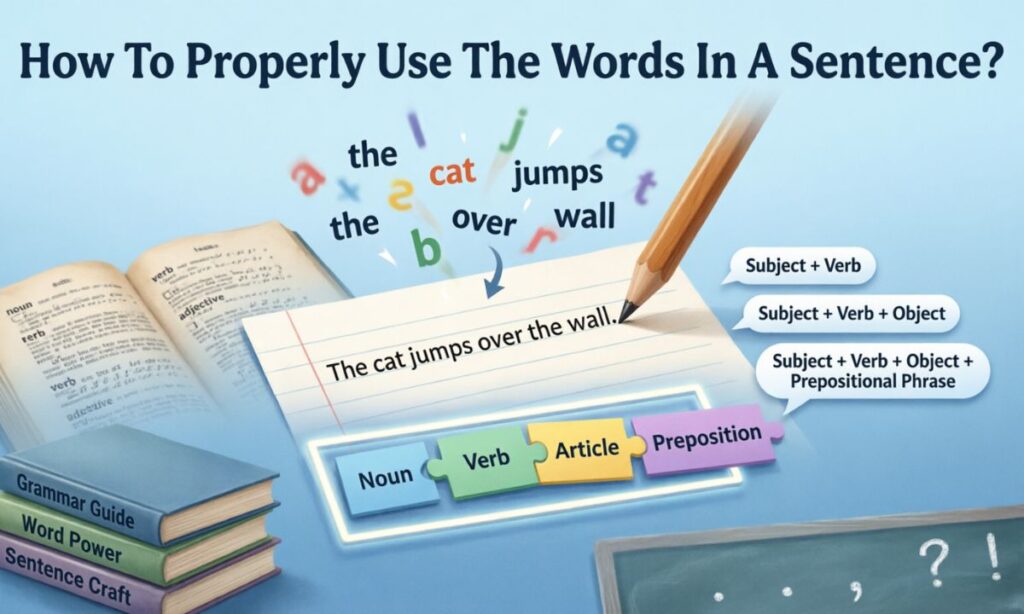
Getting comfortable with pent vs pants means knowing how each word behaves inside a sentence. Let us look at each one carefully.
How To Use “Pent” In A Sentence
Because pent almost always appears as part of the compound adjective “pent-up,” it most commonly modifies nouns related to emotions, energy, or pressure. Here are the key rules:
Rule 1: Use a hyphen when pent comes before a noun it modifies.
- Correct: She felt a rush of pent-up excitement.
- Incorrect: She felt a rush of pent up excitement.
Rule 2: Do not use pent as a standalone synonym for pants. These words are not interchangeable.
- Incorrect: He bought a new pair of pent for the wedding.
- Correct: He bought a new pair of pants for the wedding.
Rule 3: Pent works best in formal, literary, or emotional writing. It sounds out of place in casual conversation.
Sentence structure with pent:
- Subject + verb + pent-up + noun
- Example: The athlete released her pent-up energy during the final lap.
- Pent-up + noun + verb + complement
- Example: His pent-up frustration finally boiled over during the meeting.
How To Use “Pants” In A Sentence
Pants follows its own set of grammatical rules, and there are a few surprising ones worth knowing.
Rule 1: Pants is almost always used in the plural form. You do not wear “a pant” as a standalone noun.
- Correct: These pants are too long.
- Incorrect: This pant is too long.
Rule 2: When using pants with numbers or quantities, use “a pair of pants.”
- Correct: I need a pair of pants for the event.
- Incorrect: I need a pants for the event.
Rule 3: Certain compound forms do allow singular use. “Pant leg” and “pant pocket” are acceptable.
- Correct: Roll up your pant leg before you get on the bike.
Sentence structure with pants:
- Subject + verb + pants
- Example: She ironed her pants before the interview.
- Possessive + pants + verb
- Example: His pants were covered in mud after the hike.
More Examples Of Pent and Pants Used In Sentences
Seeing pent vs pants in action across many sentence types helps cement the distinction. Here is a broad set of examples for both words.
Examples Of Using Pent In A Sentence
- Years of pent-up grief finally surfaced when he visited his hometown.
- The crowd released their pent-up excitement the moment the concert began.
- She described the city as pent in by mountains on all sides.
- There was a visible release of pent-up tension after the negotiations concluded.
- His pent-up frustration showed in the sharp tone of his emails.
- The economy is expected to recover quickly due to pent-up consumer demand.
- A child who has been indoors all day is full of pent-up energy.
- The poem described a pent breath, held tight beneath the surface of calm.
- Analysts described the housing market as driven by years of pent-up interest.
- After months of silence, the pent-up words finally poured out of her.
Examples Of Using Pants In A Sentence
- He packed three pairs of pants for the five-day business trip.
- Her pants were freshly pressed and perfectly fitted for the presentation.
- The tailor measured the inseam of his pants before making adjustments.
- She wore black pants and a white blouse to the job interview.
- These pants have deep pockets, which is surprisingly rare in women’s fashion.
- He spilled coffee on his pants right before walking into the boardroom.
- The hiking pants were lightweight and dried quickly after crossing the stream.
- She bought two pairs of pants on sale at the end of the season.
- His pant leg got caught in the bicycle chain on the way to school.
- The dress code required formal pants and a collared shirt for the ceremony.
Common Mistakes To Avoid
Now that you understand pent vs pants individually, let us talk about where people go wrong. These are the four most common errors writers and speakers make.
Using “Pent” Instead Of “Pants”
This is perhaps the most direct confusion in the pent vs pants topic. Because the two words look similar at a glance, some writers type “pent” when they mean “pants,” especially in fast digital communication.
- Wrong: He tore his pent while climbing the fence.
- Right: He tore his pants while climbing the fence.
Pent has never meant a clothing item in standard modern English. Unless you are writing about suppressed emotions or confined energy, pent does not belong in a sentence about what someone is wearing.
Using “Pants” Instead Of “Trousers”
This mistake is especially important for anyone writing for a British, Australian, or South Asian audience. In British English, “pants” refers to underwear. Saying “I like your pants” to a British person means something completely different than saying it to an American.
When writing for an international audience, consider using “trousers” for formal or outer leg garments to avoid any confusion. This is one of the most important regional distinctions in the pent vs pants conversation and the broader world of English vocabulary.
Using “Pants” Instead Of “Jeans”
While jeans are technically a type of pants, using the two words interchangeably can sound imprecise, particularly in fashion writing or product descriptions.
- Vague: She wore blue pants to the casual Friday event.
- Precise: She wore blue jeans to the casual Friday event.
When you are describing a specific type of leg garment, use the most specific word available. This improves clarity and shows attention to detail.
Using “Pants” As A Singular Noun
This is a grammar mistake that even native speakers make. Pants is a plural noun, and treating it as singular breaks standard grammatical rules.
- Wrong: A pant was hanging over the chair.
- Right: A pair of pants was hanging over the chair.
The word “pant” can appear as a singular adjective in compound forms like “pant leg” or “pant pocket,” but it cannot stand alone as a noun without the word “pair.”
Tips To Avoid These Mistakes
Here is a short, practical checklist to help you stay sharp on pent vs pants:
- Check the subject of your sentence. Is it about clothing or an emotion? If clothing, use pants. If confinement or suppressed feeling, use pent.
- Know your audience. Writing for a British or Australian readership? Use “trousers” for outer garments to avoid confusion.
- Be specific about clothing. If the garment is denim, say “jeans.” If it is formal, say “dress pants” or “trousers.”
- Never use pants as a singular noun. Always pair it with “a pair of” or use plural verbs.
- Use pent only with “up” in most modern contexts. The standalone use of “pent” is archaic and rarely appropriate outside of literary writing.
Context Matters
One of the most important lessons in understanding pent vs pants is that context shapes meaning. The same word can communicate very different things depending on who is speaking, to whom, in what setting, and in which country.
Examples Of Different Contexts
Emotional writing context: In a novel or personal essay, “pent-up” emotions appear naturally and carry real weight. A character might have years of pent-up longing or pent-up anger building to a breaking point. This is exactly where pent belongs.
Casual everyday context: When chatting with a friend about what to wear, you would say “pants” naturally. “What pants should I wear to the party?” is a perfectly clear, natural sentence in American English.
Professional or formal writing: In formal British or international writing, “trousers” is often the safer and more precise choice for outer leg garments. This prevents the kind of cross-cultural confusion that comes up in any serious pent vs pants discussion.
Fashion and retail context: In product descriptions and fashion content, “pants” is dominant in American English markets, while “trousers” rules British and European markets. Using the right word for the right market improves trust with your reader.
Exceptions To The Rules
Language is living, and there are always exceptions worth knowing. Here are three important exceptions in the pent vs pants framework.
1. Regional Differences
As discussed, the most significant exception involves the British use of “pants” to mean underwear. This is not a mistake in British English. It is the standard usage. In this context, a British speaker saying “I need new pants” is talking about underwear, not trousers. The same sentence means trousers to an American speaker. Neither is wrong. Both are correct within their regional variety of English.
Similarly, in some parts of South Asia and older Commonwealth English, “trousers” is used exclusively for formal outer garments, while “pants” might refer to athletic or casual leg wear. These local variations are valid.
2. Contextual Usage
In poetry and older literature, “pent” sometimes appears without “up” and still carries the meaning of confined or restrained. You might find lines like “pent in darkness” or “hearts pent behind silence” in literary texts. This usage is historically valid but rare in modern everyday writing.
Poets and writers sometimes choose “pent” over “pent-up” for rhythmic or stylistic reasons. Recognizing this helps readers of classic literature understand the text without confusion.
3. Historical Usage
In very old texts and some regional dialects, “pent” once referred to a type of loose garment, loosely related to the Hindi-origin word “pāījāma” (leg clothing). However, this use is almost entirely obsolete in modern English. You would only encounter it in historical documents or specialized academic texts. In contemporary writing, using “pent” to describe clothing would confuse nearly every reader.
Read This: Bachelor vs Batchelor: When to Opt for One Term Over Another
Practice Exercises
The best way to lock in what you have learned about pent vs pants is through practice. Try these exercises on your own.
Exercise 1: Fill in the Blanks
Choose between pent, pent-up, or pants to complete each sentence correctly.
- After three hours in traffic, she finally released all her ________ frustration once she got home.
- He went shopping for a new pair of ________ to wear to the office on Monday.
- The river had been ________ in by the dam for decades before the water finally flooded over.
- She folded her ________ neatly and placed them in her suitcase.
- The crowd could barely contain their ________ excitement as the countdown began.
- He ripped his ________ while trying to jump over the garden wall.
- The therapist explained that ________ anger can lead to serious emotional problems over time.
- The tailor adjusted the waistband of her ________ to fit more comfortably.
Answer Key:
- pent-up
- pants
- pent
- pants
- pent-up
- pants
- pent-up
- pants
Exercise 2: Choose The Correct Word
Read each sentence and identify whether the underlined word is used correctly. If not, write the correct replacement.
- He wore a clean pair of pent to the graduation ceremony. (Correct or incorrect?)
- She had years of pent-up grief that she had never dealt with. (Correct or incorrect?)
- His pants were soaked after standing in the rain. (Correct or incorrect?)
- The city felt pent in by highways on every side. (Correct or incorrect?)
- She bought a new pent at the department store. (Correct or incorrect?)
Answer Key:
- Incorrect. Replace “pent” with “pants.”
- Correct.
- Correct.
- Correct (literary/formal usage).
- Incorrect. Replace “pent” with “pair of pants.”
Frequently Asked Questions
Can pent and pants ever be used interchangeably?
No. They cannot be used interchangeably. Pent refers to confinement or suppressed emotions, while pants refers to clothing.
What does pent-up mean?
Pent-up means held back, suppressed, or confined, usually describing emotions or energy that have not been released.
Why does pent vs pants confuse so many people?
The visual similarity of the two words, especially in fast typing, causes frequent mix-ups, particularly among language learners and in informal digital communication.
Is “pants” correct in both British and American English?
Yes, but the meanings differ. In American English, pants means trousers. In British English, pants usually means underwear.
Can I use “a pant” as a singular noun?
No. Pants is used as a plural noun. Use “a pair of pants” instead of “a pant.”
Is pent a formal word?
Yes. Pent is more formal and literary. It appears most often in written English, particularly in creative writing, journalism, and academic text.
Are jeans the same as pants?
Jeans are a specific type of pants, but using “pants” when you mean “jeans” can sound imprecise, especially in fashion writing.
What is the origin of the word pants?
Pants is a shortened form of “pantaloons,” a type of leg-covering garment popular in the 1800s.
Conclusion
The comparison of pent vs pants is a perfect example of how two words that look nearly identical can mean completely different things. At the core of the pent vs pants distinction is a simple rule: pent describes confinement or suppression, and pants describes clothing. These two words never overlap in function or meaning in modern English.
Understanding pent vs pants sharpens your grammar, improves your writing precision, and prevents embarrassing errors, whether you are composing a professional email, writing a blog post, or simply texting a friend. The regional differences around “pants” add an extra layer of nuance that every English writer benefits from knowing.
Keep the pent vs pants distinction in mind as you write, and your communication will be clearer, more natural, and more credible. Language is all about choosing the right word for the right moment. Now you know exactly which word to reach for.