
If you have ever signed a rental contract, you have encountered the terms lessor vs lessee. Whether you are renting a house, leasing a car, or signing a commercial property agreement, knowing exactly who is the lessor and who is the lessee protects your interests and keeps you legally safe.
The distinction between lessor vs lessee shapes everything from payment schedules to maintenance duties to legal recourse. This guide breaks down both roles in clear, practical language so that you walk away fully informed.
What is a Lessor?
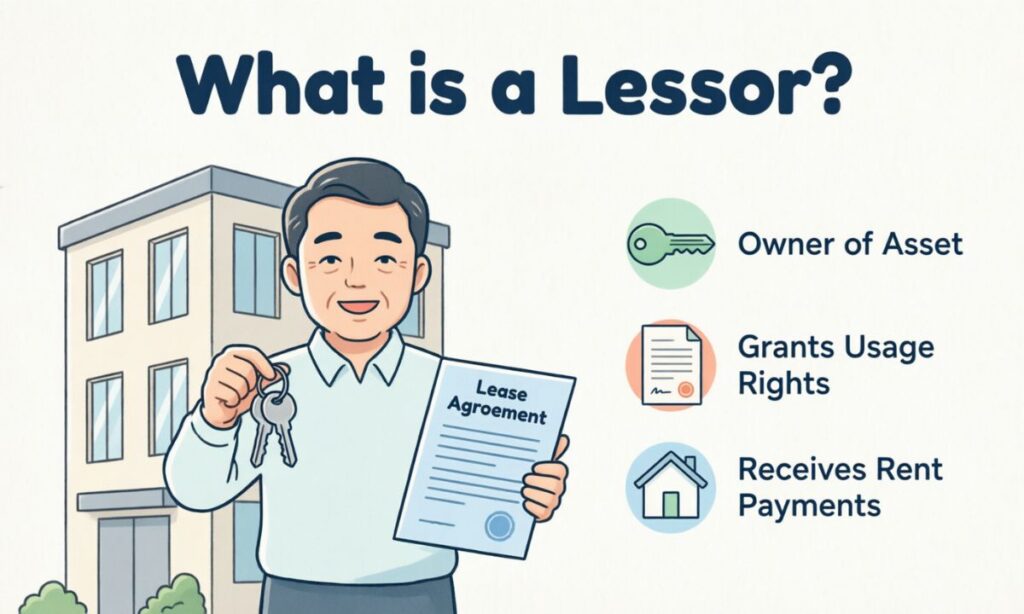
A lessor is the legal owner of an asset, property, or piece of equipment who grants another party the right to use it for a set period in exchange for compensation. In real estate, the lessor is commonly called a landlord. In equipment leasing, the lessor might be a finance company or a manufacturing firm.
The lessor retains legal title to the asset throughout the entire duration of the contract. Even though the lessee takes physical possession, ownership never transfers unless there is a specific purchase option written into the agreement. The lessor earns income through regular lease payments and is accountable for keeping the asset in a condition suitable for its intended use.
Common examples of a lessor include:
- A landlord renting out a residential apartment
- A company leasing heavy machinery to a contractor
- A car dealership offering a vehicle under a lease plan
- A commercial building owner leasing office space to a business
Understanding the lessor side of the lessor vs lessee equation is essential for anyone who owns property and intends to generate rental income.
What is a Lessee?
Read This: Summarize or Summarise: Which One Should You Use in 2026
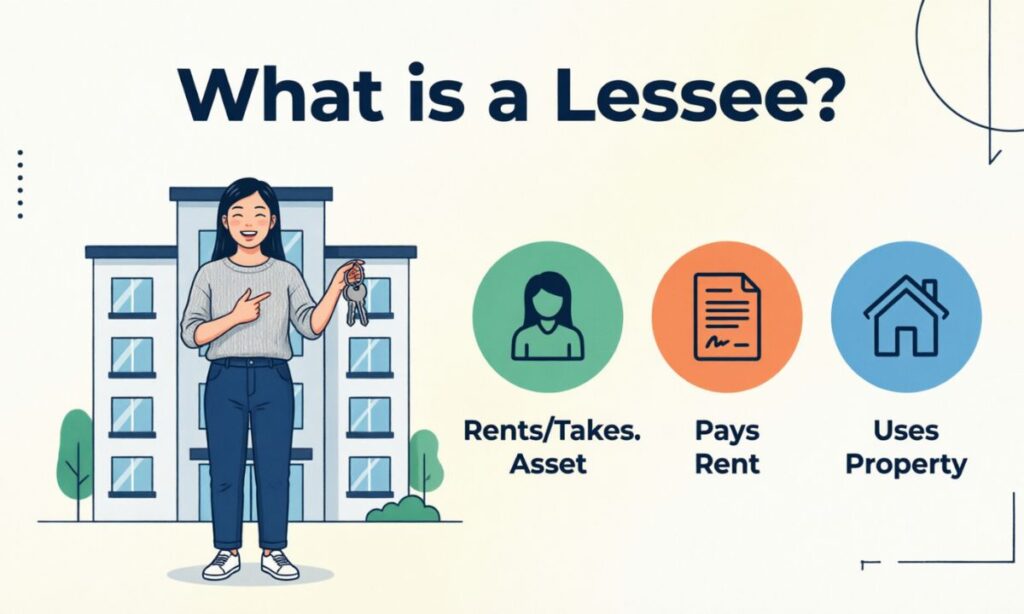
A lessee is the individual or entity that obtains the right to use an asset from the lessor in exchange for regular payments. The lessee does not gain ownership; instead, they gain temporary possession and the right to use the property under the terms outlined in the lease agreement.
In residential settings, the lessee is the tenant. In business contexts, a company that leases office space or equipment is the lessee. The lessee vs lessor relationship is fundamentally about usage rights versus ownership rights.
Common examples of a lessee include:
- A tenant renting a home or apartment
- A startup company leasing office space
- A driver leasing a vehicle from a dealership
- A business renting heavy equipment for a construction project
The lessor vs lessee dynamic becomes especially clear at the end of the lease term. The lessee must return the asset in an acceptable condition, while the lessor resumes full, unshared control over their property.
Key Differences Between Lessor and Lessee
The core difference in the lessor vs lessee relationship comes down to ownership versus usage. Below is a structured comparison that highlights every major point of distinction.
| Factor | Lessor | Lessee |
| Ownership | Retains legal title | No ownership rights |
| Role | Owner and asset provider | User and renter |
| Payment direction | Receives rent payments | Makes rent payments |
| Possession | Limited during lease term | Full possession during lease |
| Maintenance (major) | Responsible for structural repairs | Not typically responsible |
| Maintenance (minor) | May delegate to lessee | Usually responsible |
| Risk | Long-term asset depreciation | Limited to lease payments and deposit |
| Balance sheet (business) | Records lease receivable or rental income | Records right of use asset and lease liability |
| Entry rights | Must give advance notice | Controls access during lease |
| End of term | Reclaims full control | Returns asset in agreed condition |
This lessor vs lessee comparison table makes it clear that while both parties share a legal relationship, their obligations and benefits are quite different. Every business professional and individual tenant should study this distinction carefully.
Legal Obligations of Lessors and Lessees
A lease agreement is a legally binding contract. When either party fails to honor their commitments, legal consequences follow. Here is a breakdown of what each side must do under the lessor vs lessee framework.
Lessor Responsibilities
The lessor carries significant duties that go beyond simply collecting rent. These include:
- Delivering the asset in usable condition on the start date of the lease
- Maintaining the property in a safe and habitable state, covering structural elements, plumbing, heating, and electrical systems
- Respecting the lessee’s right to quiet enjoyment, meaning the lessor cannot enter the property without proper advance written notice except in emergencies
- Complying with all local property laws, including safety codes, habitability standards, and disclosure requirements
- Handling major repairs that affect the structural integrity or core functionality of the leased asset
- Carrying insurance on the property itself, including coverage for structural damage from fire, storms, or vandalism
- Returning the security deposit within the legally required timeframe after the lease ends, minus any justified deductions
In the lessor vs lessee relationship, the lessor sets the initial terms but must also operate within the boundaries of law. A lessor who neglects repairs or enters property without notice can face rent withholding, lease termination, or even lawsuits from the lessee.
Lessee Responsibilities
The lessee, while not the owner, still carries a substantial set of obligations. These include:
- Paying rent on time and in full according to the agreed schedule, which is the single most fundamental duty in any lessor vs lessee arrangement
- Maintaining the property in reasonable condition, handling daily upkeep and preventing damage beyond normal wear and tear
- Reporting issues promptly to the lessor so that necessary repairs can be arranged
- Complying with all lease clauses, including rules about pets, subletting, occupancy limits, and permitted use of the space
- Seeking approval before making alterations or modifications to the leased asset
- Returning the asset at the end of the term in the condition outlined in the agreement
- Carrying renter’s insurance if required by the lease or recommended for personal protection
The lessor vs lessee balance works well when both parties understand and honor these obligations from day one.
Consequences of Breach
When either party in a lessor vs lessee agreement fails to meet their obligations, consequences follow swiftly.
If the lessee breaches the agreement:
- The lessor may issue a written notice to remedy the breach
- Late fees or penalties may apply for missed payments
- The lessor can begin formal eviction proceedings if the breach is not corrected within the cure period, which is typically 30 to 60 days
- The lessee may lose part or all of their security deposit
- Legal action and damage to the lessee’s credit score may follow
If the lessor breaches the agreement:
- The lessee may withhold rent in jurisdictions that allow this remedy
- The lessee can seek court ordered repairs
- The lessee may have grounds to terminate the lease early without penalty
- The lessee can pursue damages through civil litigation
Note: Informal evictions without court process, where a lessor changes locks or cuts off utilities without going through the courts, are illegal in virtually every jurisdiction. The lessor vs lessee legal process must always follow formal court procedures.
Real-World Examples
Understanding lessor vs lessee becomes far easier when you look at practical scenarios.
Example 1: Residential Rental A landlord (lessor) owns a two bedroom apartment and rents it to a young professional (lessee) for 12 months. The lessor collects monthly rent and handles roof repairs. The lessee pays on time, keeps the apartment clean, and reports a leaking faucet promptly.
Example 2: Commercial Office Lease A property management company (lessor) owns a downtown office building and leases a floor to a tech startup (lessee). The startup uses the space to run operations. Under their agreement, the lessor maintains the building structure while the lessee handles internal fixtures.
Example 3: Equipment Lease A construction company (lessee) leases heavy machinery from a finance firm (lessor) for 24 months. The lessee makes monthly payments and handles routine maintenance. The lessor retains ownership and reclaims the machinery at the end of the contract.
Example 4: Vehicle Lease A driver (lessee) leases a car from a dealership (lessor) for three years. The lessee makes monthly payments, follows mileage limits, and returns the vehicle in good condition. The lessor keeps the car on their books as an asset.
These real world examples show just how widely the lessor vs lessee relationship applies across industries and daily life.
Common Confusions About Lessor vs Lessee
Several misunderstandings frequently arise around the lessor vs lessee distinction. Let us clear up the most common ones.
Confusion 1: Is the lessee the same as a renter? A renter typically enters a short term or month to month arrangement, while a lessee signs a more formal, long term agreement with specific legal rights and responsibilities. In legal documents, lessee is the precise term used.
Confusion 2: Can the lessee sell the property? No. The lessee never owns the asset, so they cannot sell it. In the lessor vs lessee structure, only the lessor holds the title and can authorize a sale.
Confusion 3: Is a property manager a lessor? A property manager acts as an agent on behalf of the lessor but does not own the asset. All legal obligations in the lessor vs lessee contract remain with the actual owner.
Confusion 4: Does the lessee have any rights during the lease? Absolutely. The lessee holds the right to quiet enjoyment, meaning they can use and occupy the property without interference, as long as they meet their contractual obligations. This is a legally protected right in nearly every jurisdiction.
Confusion 5: Who is responsible for repairs? This varies by lease type and local law. Generally, in the lessor vs lessee arrangement, the lessor handles major structural repairs while the lessee handles minor maintenance and damage they cause themselves.
Tips for Both Lessors and Lessees
Whether you are on the lessor or lessee side of a lease agreement, these practical tips will help you navigate the process smoothly.
Tips for Lessors:
- Draft a detailed lease agreement that clearly defines all terms, payment schedules, and maintenance responsibilities
- Always provide advance written notice before entering the leased property
- Screen lessees thoroughly before signing any agreement
- Keep records of all maintenance work, payments received, and communications
- Consult a property attorney to ensure your lease complies with local laws
Tips for Lessees:
- Read the entire lease agreement before signing anything in the lessor vs lessee contract
- Document the condition of the property with photos on move-in day
- Pay rent on time to maintain a positive lessor vs lessee relationship and protect your credit
- Report any maintenance issues in writing so there is a paper trail
- Understand your right to quiet enjoyment and know when you can legally withhold rent
For both parties, clear communication from day one prevents most of the disputes that arise later in a lessor vs lessee arrangement.
Summary of Lessor vs Lessee
Here is a quick reference summary of everything covered in this lessor vs lessee guide.
| Topic | Key Point |
| Lessor definition | Owner of the asset who grants use in exchange for payment |
| Lessee definition | Party who receives usage rights in exchange for regular payments |
| Ownership | Always remains with the lessor |
| Payment flow | Lessee pays; lessor receives |
| Major repairs | Lessor’s responsibility |
| Minor upkeep | Lessee’s responsibility |
| Entry rules | Lessor must give written notice |
| Breach consequences | Legal action, eviction, or damages depending on the breaching party |
| Quiet enjoyment | Fundamental right of the lessee |
| End of lease | Lessee returns asset; lessor resumes full control |
This summary table captures the full scope of the lessor vs lessee relationship in a single glance.
Case Study: Lease Dispute Resolution
Scenario: A tenant (lessee) rented a commercial space and accidentally damaged the flooring during operations. The building owner (lessor) demanded full replacement costs, claiming the damage was excessive. The lessee argued that the flooring had already shown signs of wear before occupancy.
Read This: Seamless vs Seemless: The Ultimate Grammar Guide for 2026
Resolution process:
- Both parties reviewed the original lease agreement to identify the exact language around normal wear and tear versus accidental damage
- A damage assessment was conducted by an independent inspector
- The assessment found that the flooring had preexisting wear, with the lessee responsible only for a portion of the damage
- Both the lessor and lessee agreed to split the repair cost based on the inspector’s findings
- No court action was necessary because the lease had a mediation clause
Lesson learned: This lessor vs lessee dispute was resolved efficiently because the lease clearly defined responsibilities and included an alternative dispute resolution mechanism. Always define maintenance standards, damage expectations, and dispute resolution methods in your lease agreement before either party signs.
Conclusion
The lessor vs lessee distinction is one of the most important concepts in property law, real estate, and business leasing. The lessor owns the asset and bears long term ownership risks, while the lessee enjoys temporary usage rights in exchange for periodic payments. Both parties carry specific legal obligations that, when honored, create a smooth and productive relationship.
Whether you are a landlord drafting your first rental agreement, a business signing a commercial lease, or a tenant reviewing your rights, understanding lessor vs lessee from every angle empowers you to make better decisions. Always read your lease carefully, document everything in writing, and consult a qualified legal advisor whenever the terms are complex or unclear. The better each party understands their role in the lessor vs lessee arrangement, the less room there is for costly disputes down the road.